❋
January 2-9, 2027 | Program Cost $2,900Research Expedition: Belize Barrier Reef
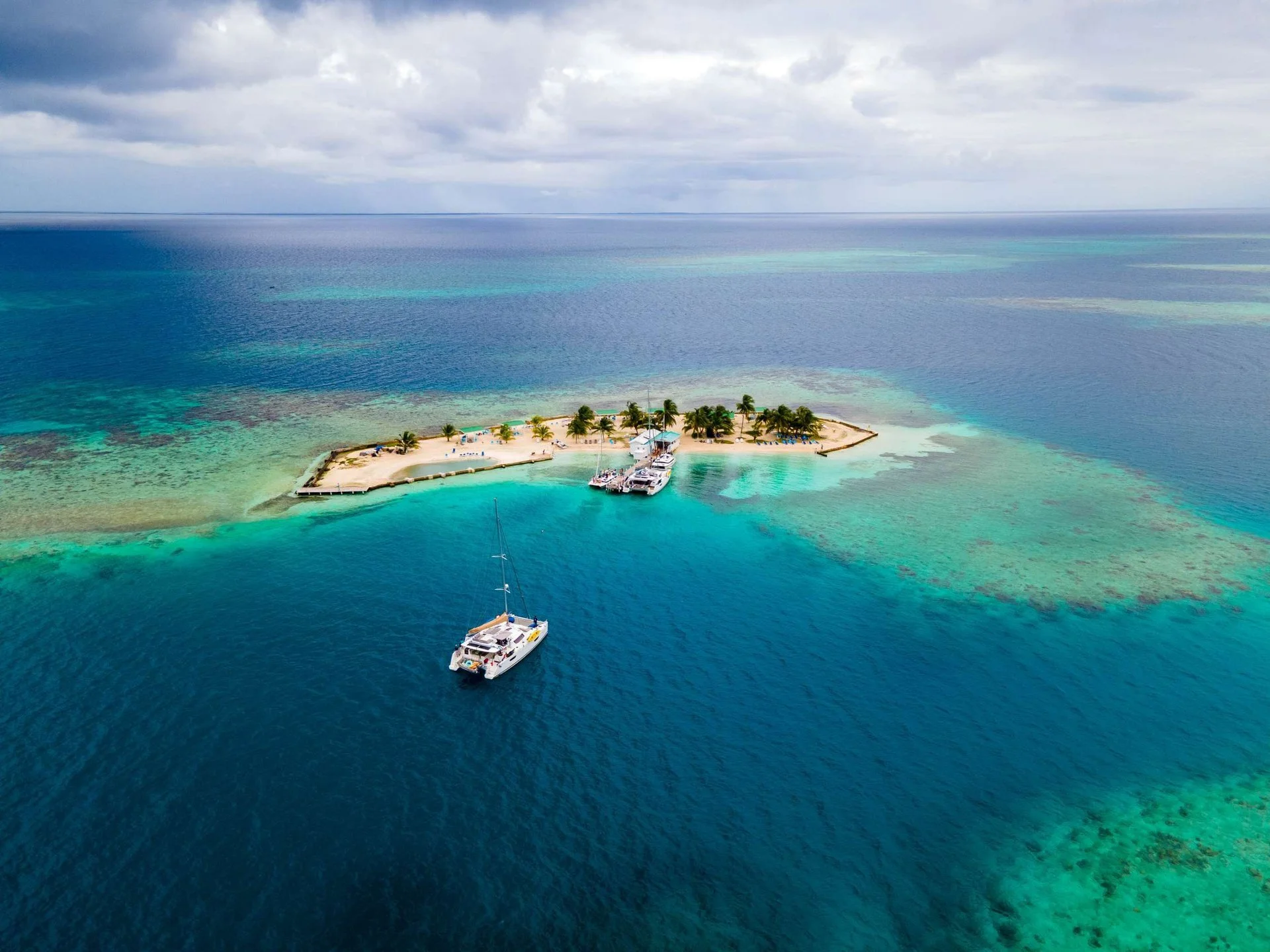
Wake up aboard a sailing catamaran, step onto the deck, and watch your next research site come into view. Join our student research team to survey plastic pollution, map tropical cays and atolls, and document wildlife and marine life along the world’s second-largest barrier reef.
What to ExpectYour Classroom Is a Living Reef
A shoreline scattered with plastic becomes a research question. A cay becomes a map you help create. A glimpse beneath the surface becomes an observation worth recording. Living and working aboard a sailing catamaran, you’ll explore Belize’s reef environment with a team of curious students, learning field methods, collecting data, and discovering how science connects to the places and people around you.
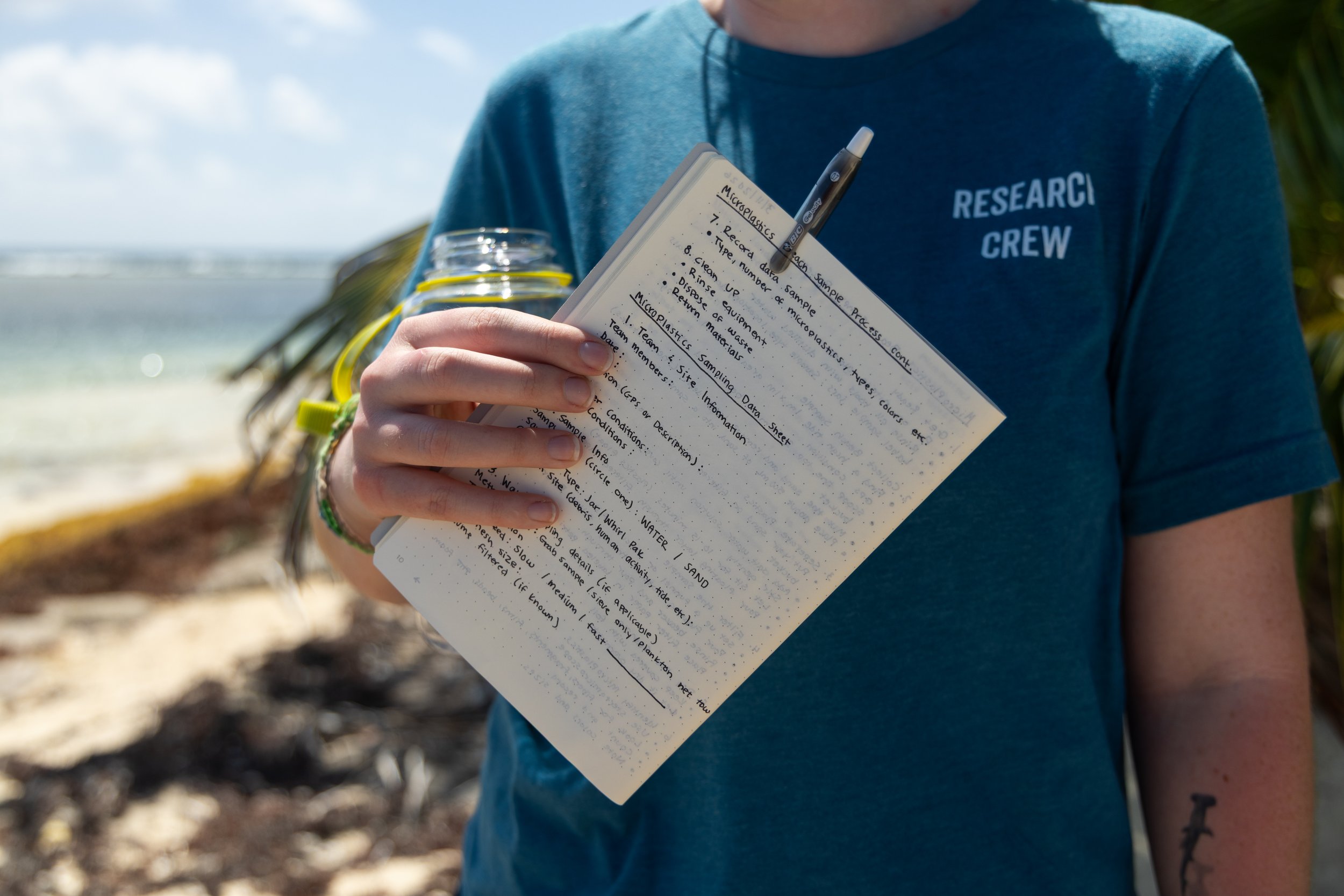
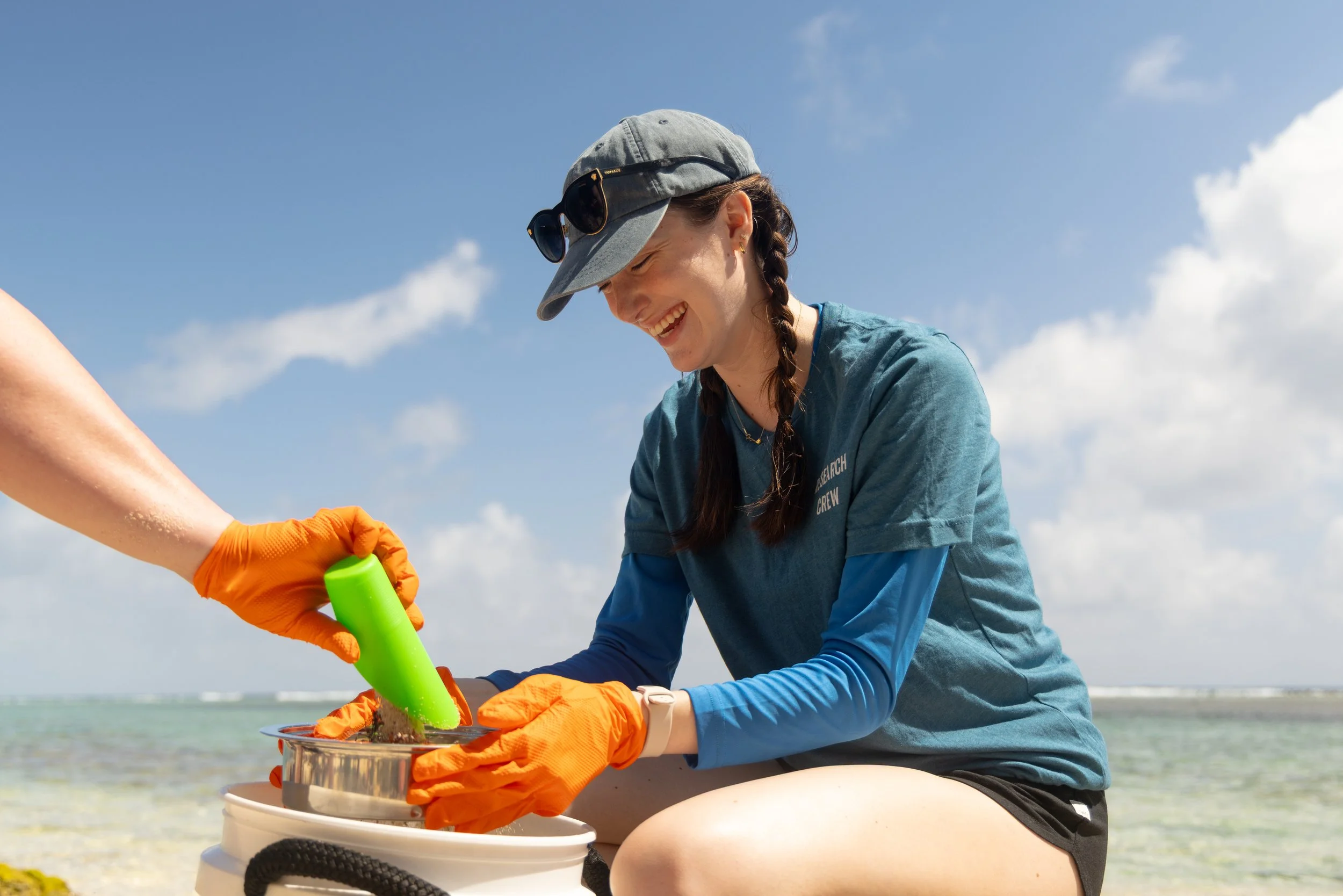
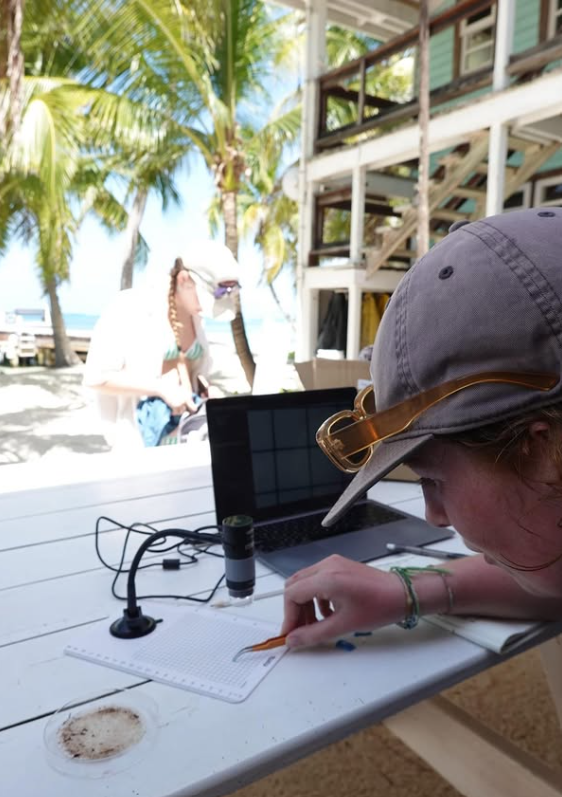
❋ MEANING FIELD RESEARCHTake part in microplastic and macroplastic surveys, geospatial mapping, and wildlife and marine life surveys. Learn to turn observations into organized data that helps describe the environments we explore for our publication.
❋ life aboard a catamaranMake a sailing catamaran your home and research base. Share meals, prepare equipment, compare field notes, and experience the teamwork that makes an expedition possible.
❋ a team you belong toBring your curiosity and willingness to learn. Work alongside fellow students, practice research methods together, and build confidence through the contributions you make each day.
❋ connection to placeExplore the relationship between Belize’s coastal environments and the people who depend on them. Cultural learning and local perspectives add context to the landscapes, wildlife, and conservation questions you encounter.
Follow your curiosity beyond the classroom and discover what you’re capable of when you become part of a research team.
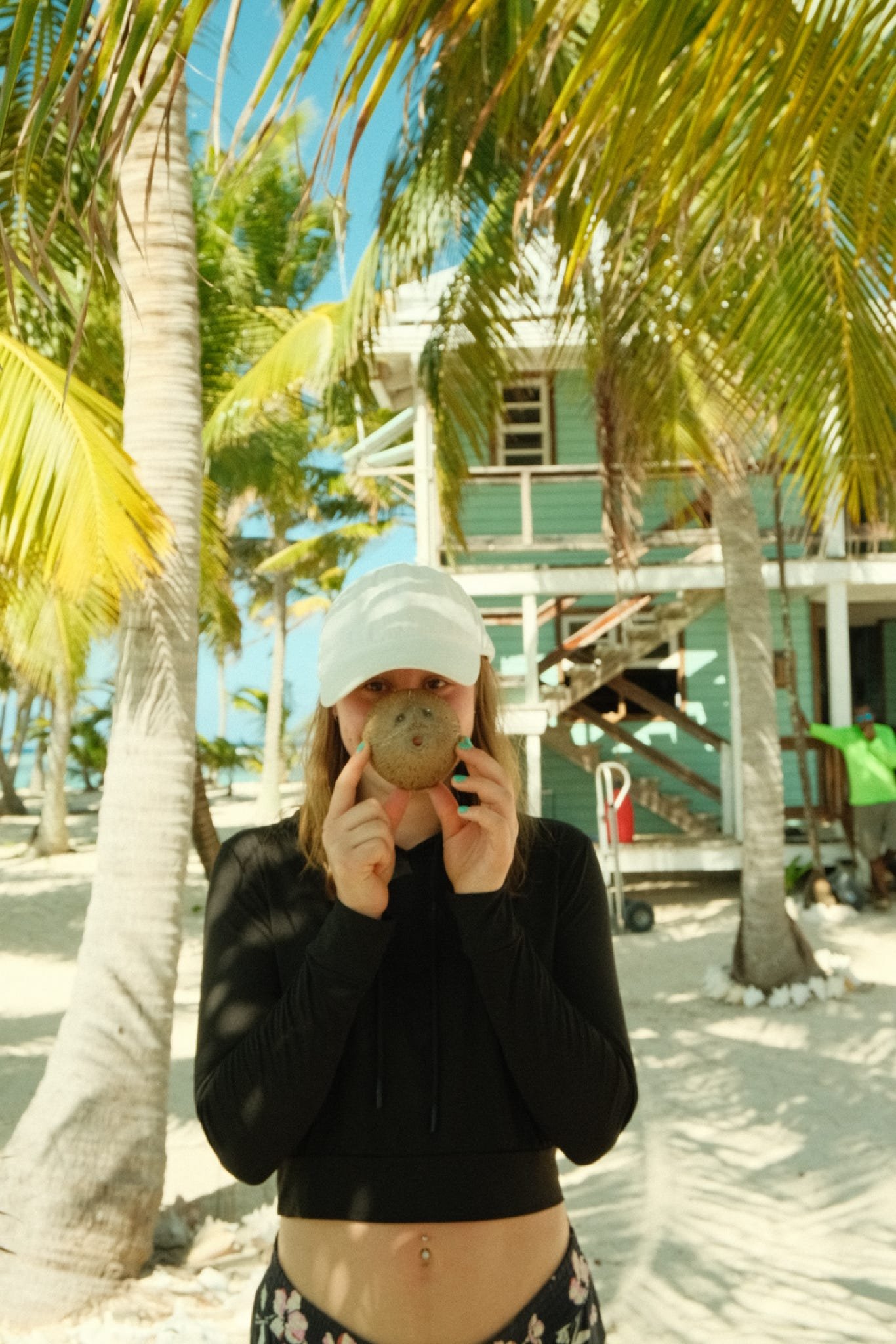
Expedition phase oneStep Aboard & Become a Team
Your expedition begins as you meet your teammates and settle into life aboard the catamaran. Get familiar with the vessel, review safety procedures, and explore the questions that will guide your research. Through introductory field activities, you’ll practice recording observations and preparing for the surveys ahead.
Arrival & Vessel OrientationMeet your team and settle aboard.
Safety & Responsible FieldworkReview vessel procedures and respectful research practices.
Research BriefingExplore our plastic pollution, mapping, and biodiversity survey objectives.
Equipment & MethodsPractice using field equipment and recording consistent observations.
Team PlanningPrepare for the first research sites and discuss team responsibilities.
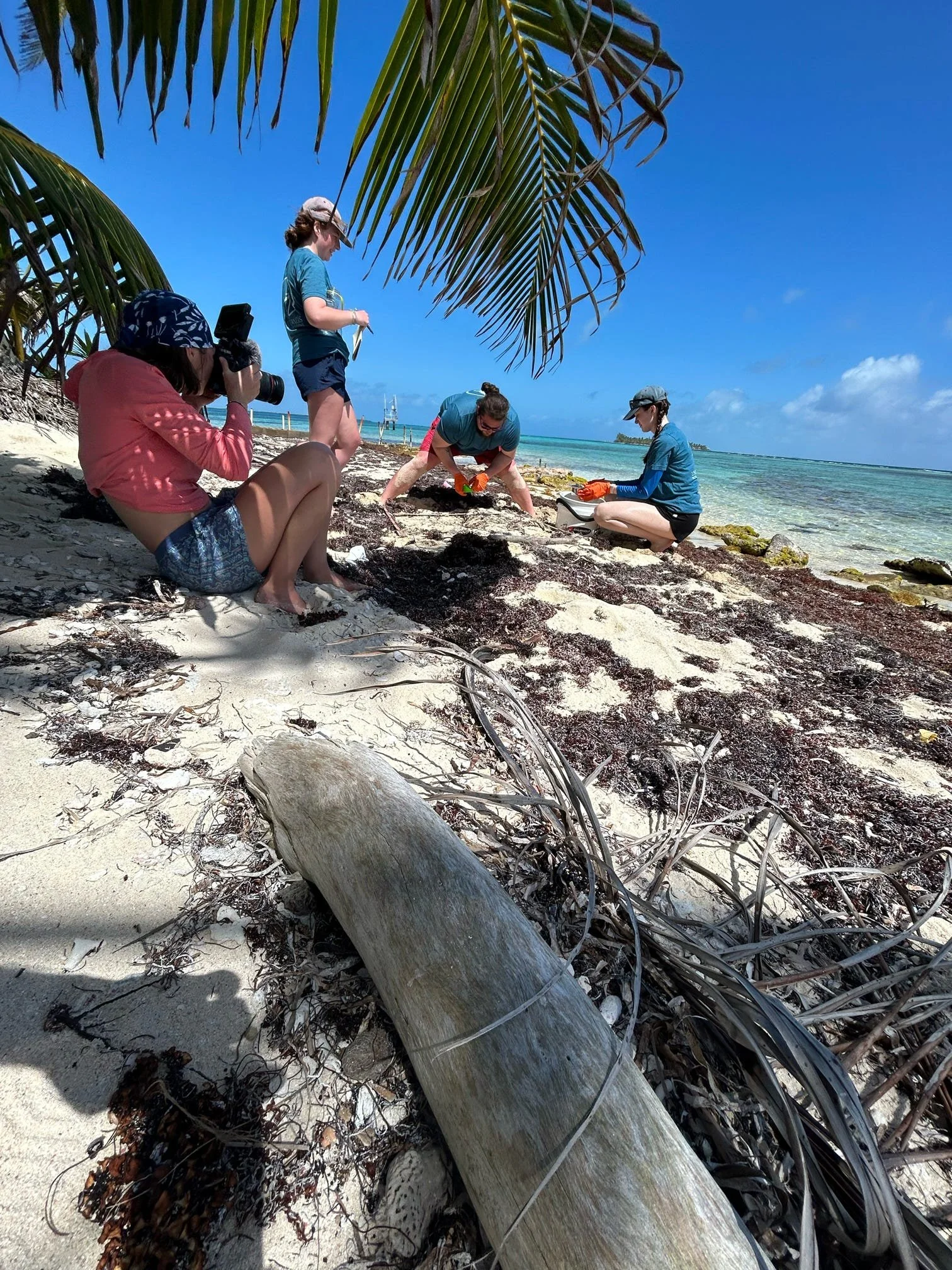
expedition phase TwoExplore, Survey & Map
You reach a cay with a notebook, survey equipment, and a question: what can this shoreline tell us? Across the expedition’s field days, you’ll survey plastic pollution, geospatially map coastal features, conduct interview with local organizations and experts, and document wildlife and marine life. Back aboard, compare observations with your teammates and begin connecting individual findings to the wider reef environment.
Daily Research BriefingReview the day’s sites, survey methods, and team assignments.
Microplastic & Macroplastic SurveysHelp collect samples for microplastic assessment and document larger plastic debris using the expedition’s survey protocols.
Geospatial MappingRecord locations and coastal features to help build maps of the cays and atolls we visit.
Wildlife & Marine Life SurveysObserve and document species, habitats, and survey conditions while minimizing disturbance.
Data Review & Team DiscussionOrganize field records, check observations, and discuss emerging questions.
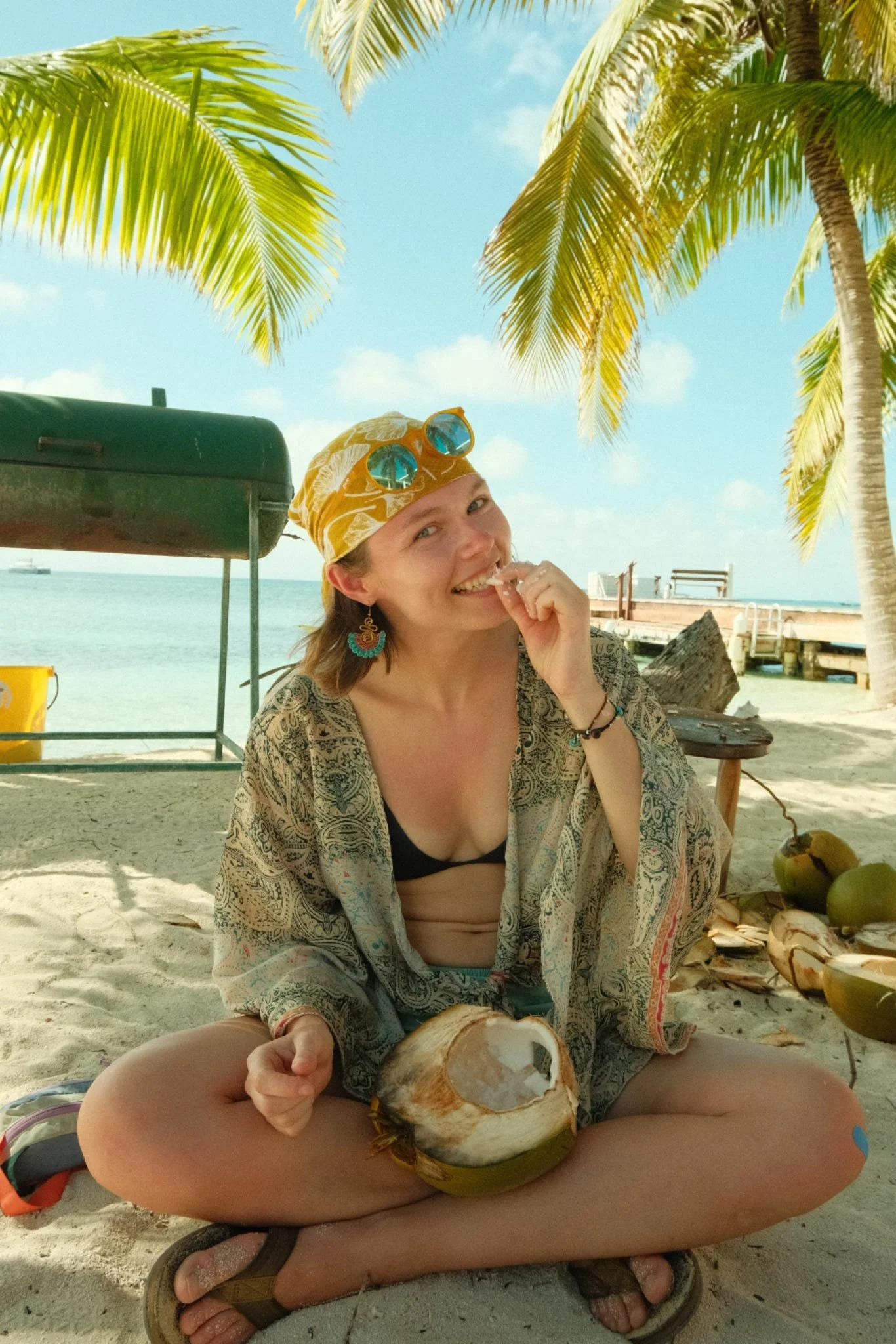
Expedition Phase Three
Turn Discoveries Into a Story
By the end of the expedition, the places you’ve explored hold more than memories, they hold data you helped collect. Work with your team and our editors to organize survey records, develop maps, and summarize your observations and transform them into case studies and educational outreach material. Reflect on what your findings suggest, what remains unanswered, and how this experience has shaped your understanding of research and yourself.
Final Field ObservationsComplete remaining surveys as conditions allow.
Organize & Check DataReview records for completeness, consistency, and accuracy.
Develop Maps & SummariesBring together spatial information, plastic survey records, and biodiversity observations.
Share Team FindingsPresent observations, discuss limitations, and identify questions for future research.
Reflect & DepartCelebrate your team’s contributions and prepare for the journey home.
Your Expedition Starts Here-
Tell us about your interests, what you hope to learn, and why you want to take part in the Belize research expedition.
-
Once accepted, review the expedition details, participation requirements, payment terms, and cancellation policy before confirming your place.
-
If you plan to pursue college credit, speak with your academic advisor or study abroad office before departure. Credit requires approval and arrangements through your college or university.
-
Review your expedition materials, packing guidance, travel requirements, and research preparation instructions. Arrange transportation after your participation and arrival details are confirmed.
-
Arrive ready to learn, contribute, and work as a team. Your expedition begins with new faces, new questions, and a reef environment waiting to be explored.